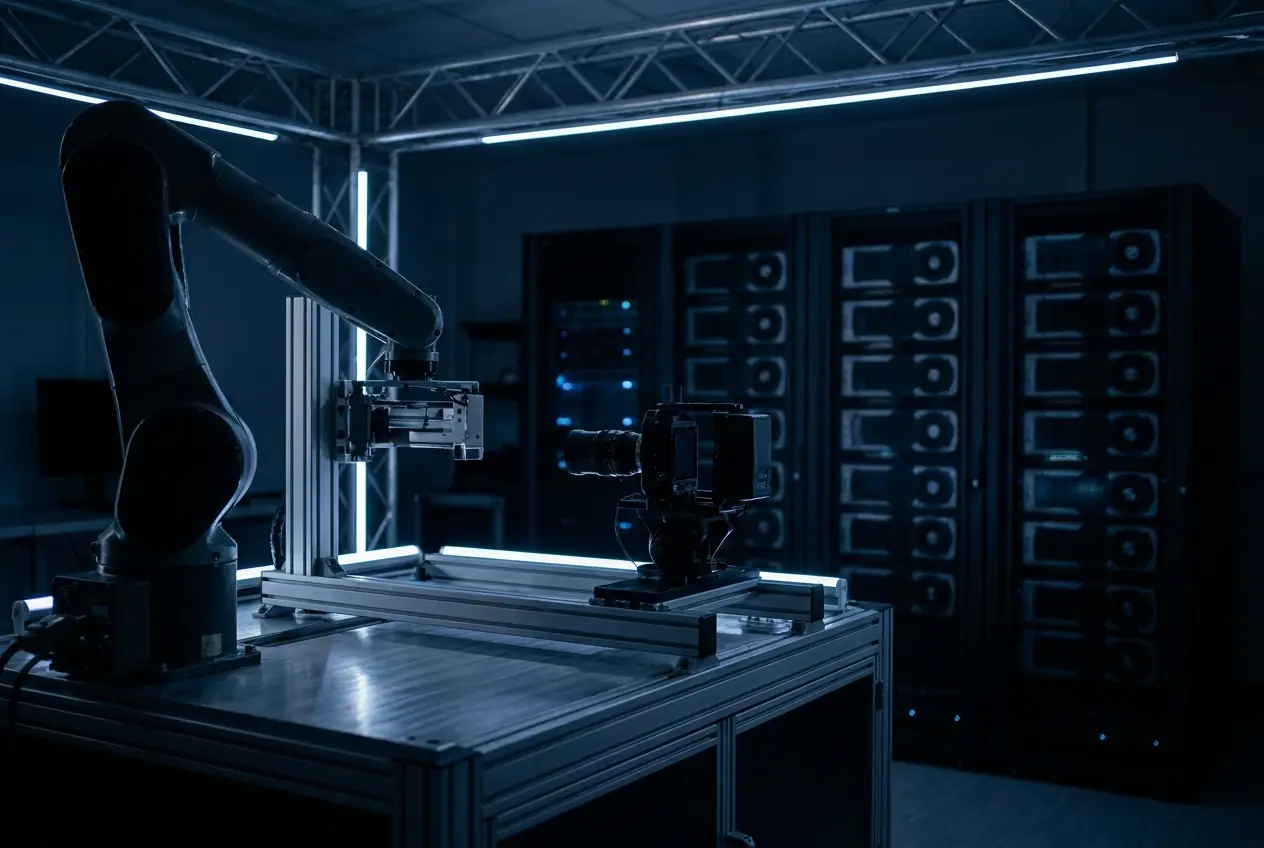
Industrial robot arm and machine-vision rig in front of GPU racks

Robotics & Computer Vision

Train perception at scale. Serve it wherever the robots are.

Physical AI combines large-scale perception training, simulation and synthetic data with inference that increasingly runs close to fleets and cameras. Peregrine supplies the training capacity, operates the platform and is developing distributed options for inference closer to the edge.

Infrastructure can be designed to support customer security, governance and compliance requirements. Use one service or all four.

ASSESSBUILDOPERATECAPACITY

Part 1 · Use cases

GPU workloads in robotics & computer vision.

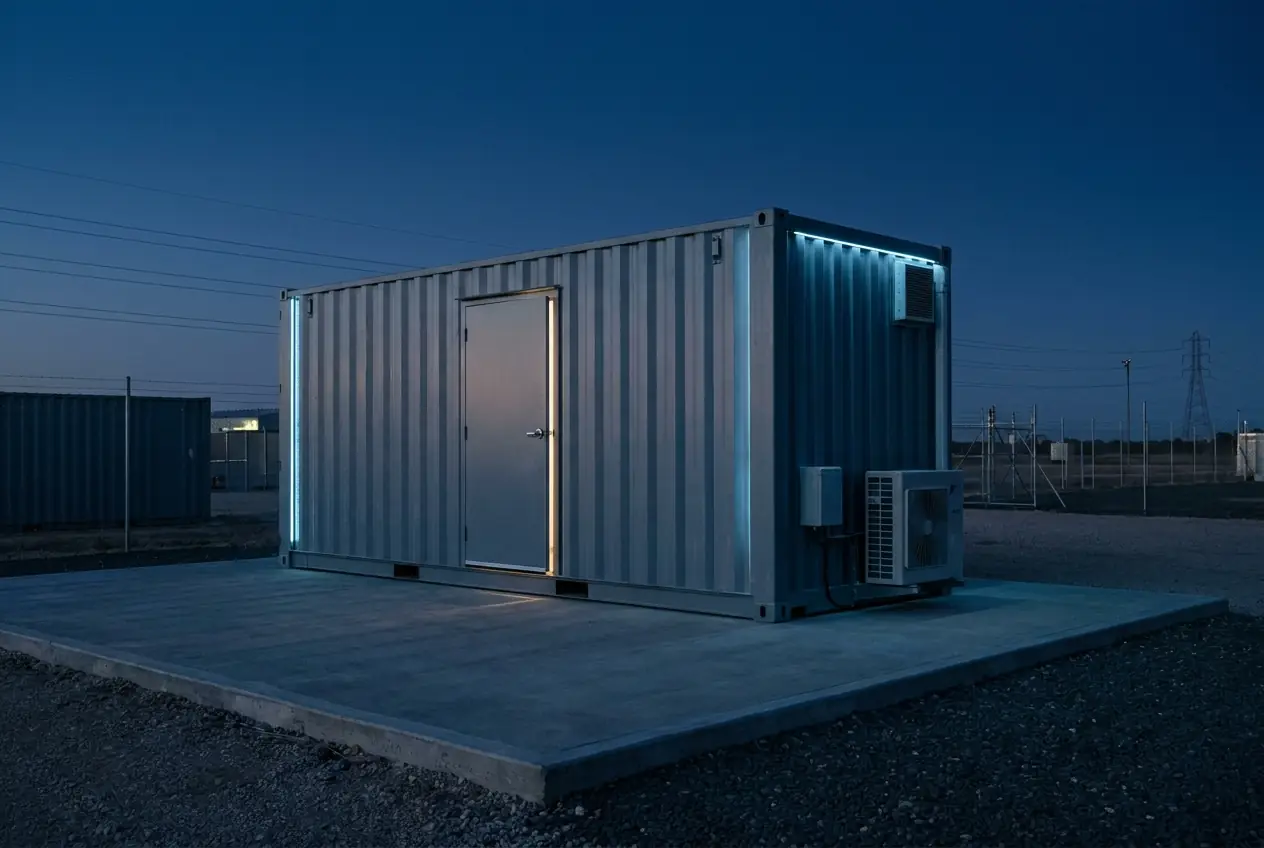
Modular containerised micro data centre at dusk on an industrial site

Use case 01

Perception Model Training

Detection, segmentation and tracking models are retrained continuously as new video and sensor data arrives.

Sustained GPU throughput and fast storage keep training cycles short.

GPU considerations

  • Memory: moderate to high
  • Interconnect: NVLink for multi-GPU training
  • Storage: NVMe and shared storage for video-scale data
  • Data residency: as required
Single GPU server node glowing softly in a rack

Use case 02

Simulation & Synthetic Data

GPU-rendered environments and scenario generation are intensive and bursty.

Reserved capacity with on-demand burst matches campaign-driven demand.

GPU considerations

  • Memory: rendering benefits from high-memory GPUs
  • Interconnect: usually single node
  • Storage: large synthetic datasets
  • Data residency: as required
DATAGPU COMPUTEMODEL / RESULT

Use case 03

Policy & Reinforcement Learning

Policy learning couples simulation and training loops across many GPUs.

Scheduling and quotas let robotics teams share infrastructure efficiently.

GPU considerations

  • Memory: varies
  • Interconnect: multi-node for large runs
  • Storage: experiment artefacts
  • Data residency: as required
Industrial robot arm and machine-vision rig in front of GPU racks

Use case 04

Fleet, Edge Inference & Video Analytics

Centralised inference for connected fleets and real-time video analytics near sites.

ComputeGrid micro and edge nodes are being developed as a potential future fit for inference closer to sites, subject to deployment.

GPU considerations

  • Memory: moderate
  • Interconnect: PCIe
  • Storage: streaming buffers
  • Data residency: Australian-hosted central capacity today

Part 2 · How to deploy with Peregrine

Four ways to engage — use one or all.

  1. 01ASSESS

    Compute Blueprint

    Size training, simulation and inference separately — they need different architectures — and plan storage and networking for video-scale data.

    Learn more
  2. 02BUILD

    Build GPU Infrastructure

    Where owned infrastructure makes sense, design GPU systems for training and simulation with the storage throughput perception pipelines need.

    Learn more
  3. 03OPERATE

    Managed AI Platform

    Operate training clusters and inference endpoints with container workflows, scheduling and monitoring, so robotics engineers focus on models and behaviours.

    Learn more
  4. 04CAPACITY

    GPU Capacity + Private AI Cloud

    Reserved or on-demand Australian-hosted GPUs for training and simulation bursts; edge-adjacent options are deployment dependent.

    Learn more

Recommended platforms

Platforms commonly considered for these workloads.

Indicative only; the Compute Blueprint confirms platform, interconnect and scale per project.

All GPU platforms

Infrastructure models: capital vs operating

Robotics companies often own a training cluster (capital) and use reserved or on-demand capacity (operating) for simulation campaigns. Peregrine scopes both per engagement; no prices are published on this site.

FAQ

Common questions.

Talk to a Compute Specialist.

Tell us about your robotics & computer vision workloads and deployment preferences. A compute specialist will discuss the appropriate infrastructure model.